
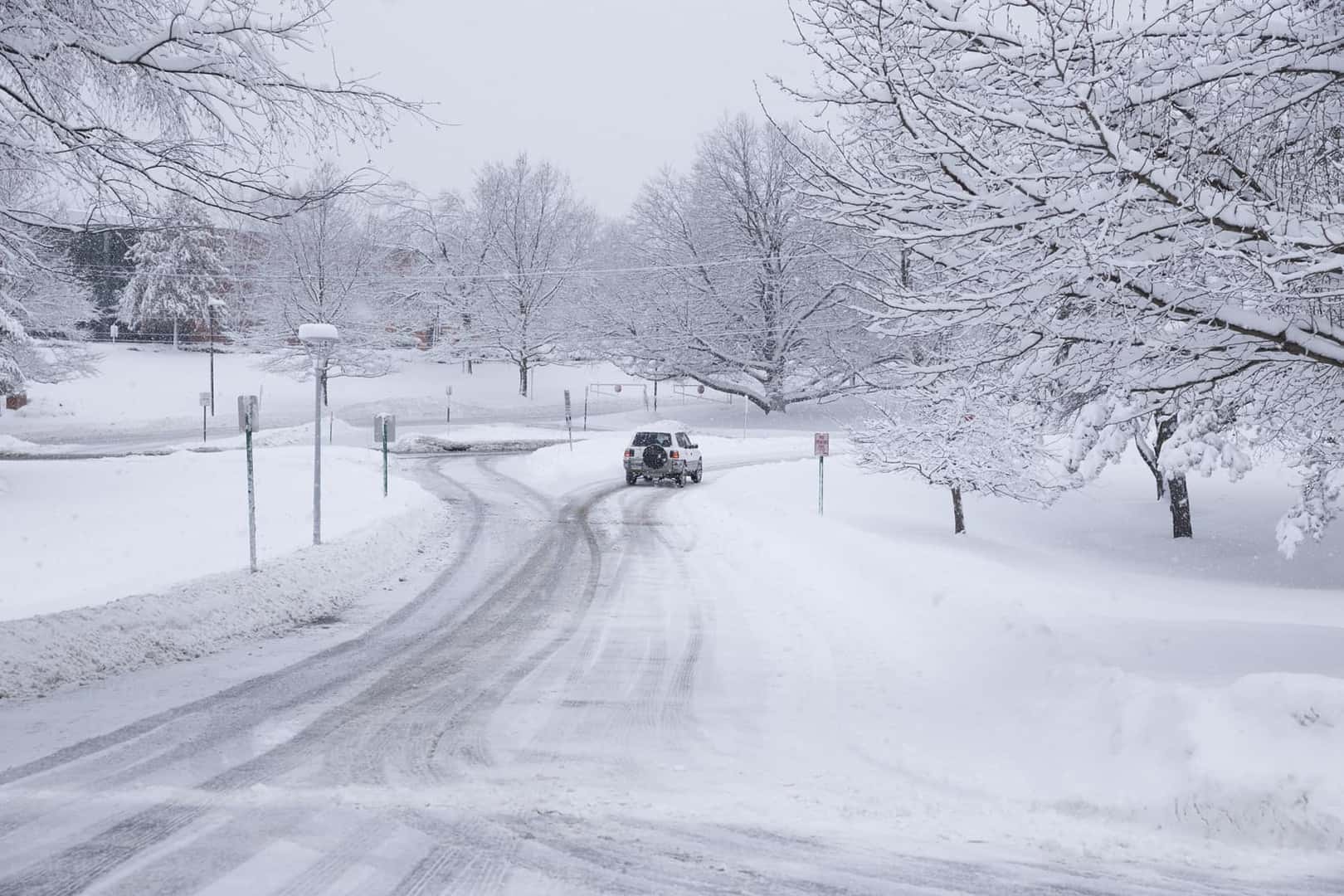
When it comes to driving in inclement weather, staying informed is key. When you tune in to the weather forecast, you can act accordingly to the weather to come.
In extreme cases, you should always consider staying home if possible. However, if you must drive, make sure your vehicle is prepared – fill up the tank (or charge if you have an electric vehicle), and have essential tools like a shovel and ice scraper on hand.
Do your research and look into safe routes to your destination. Lean towards well-maintained roads rather than winding back roads that may be more affected by inclement weather.
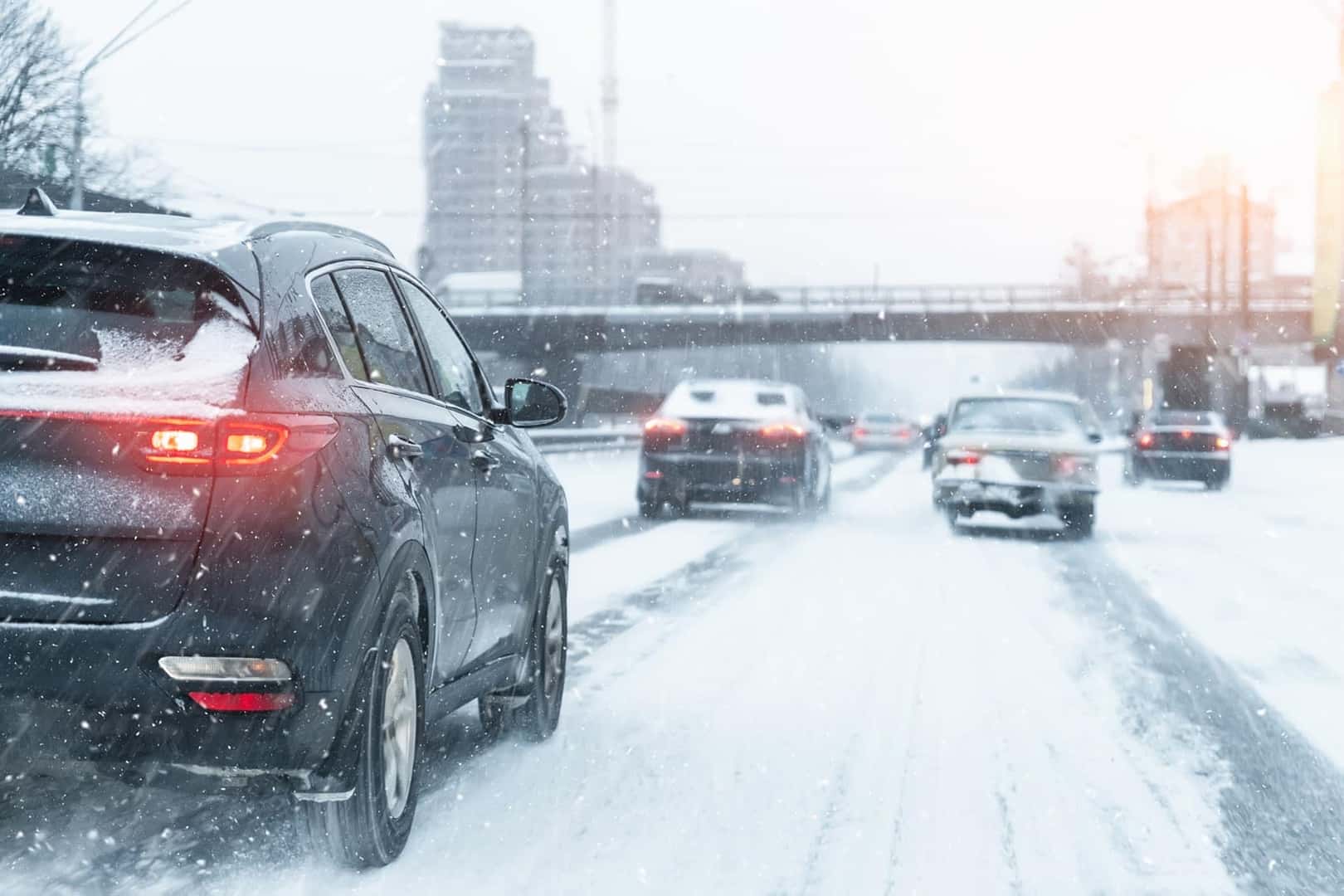
In inclement weather, it's important to adjust your driving to match the road conditions.
First and foremost, give yourself plenty of extra time to reach your destination. This is because the key to driving in weathered conditions is taking your time. Keep a slow pace and drive carefully, always remembering to apply the brakes gently to prevent skidding.
How you use your brakes—and how your brake system performs—is pivotal to your confidence in handling snowy, icy, or rainy roads. Regular maintenance of your brake system is essential for optimal performance, so be sure to stay up to date with routine inspections and repairs.
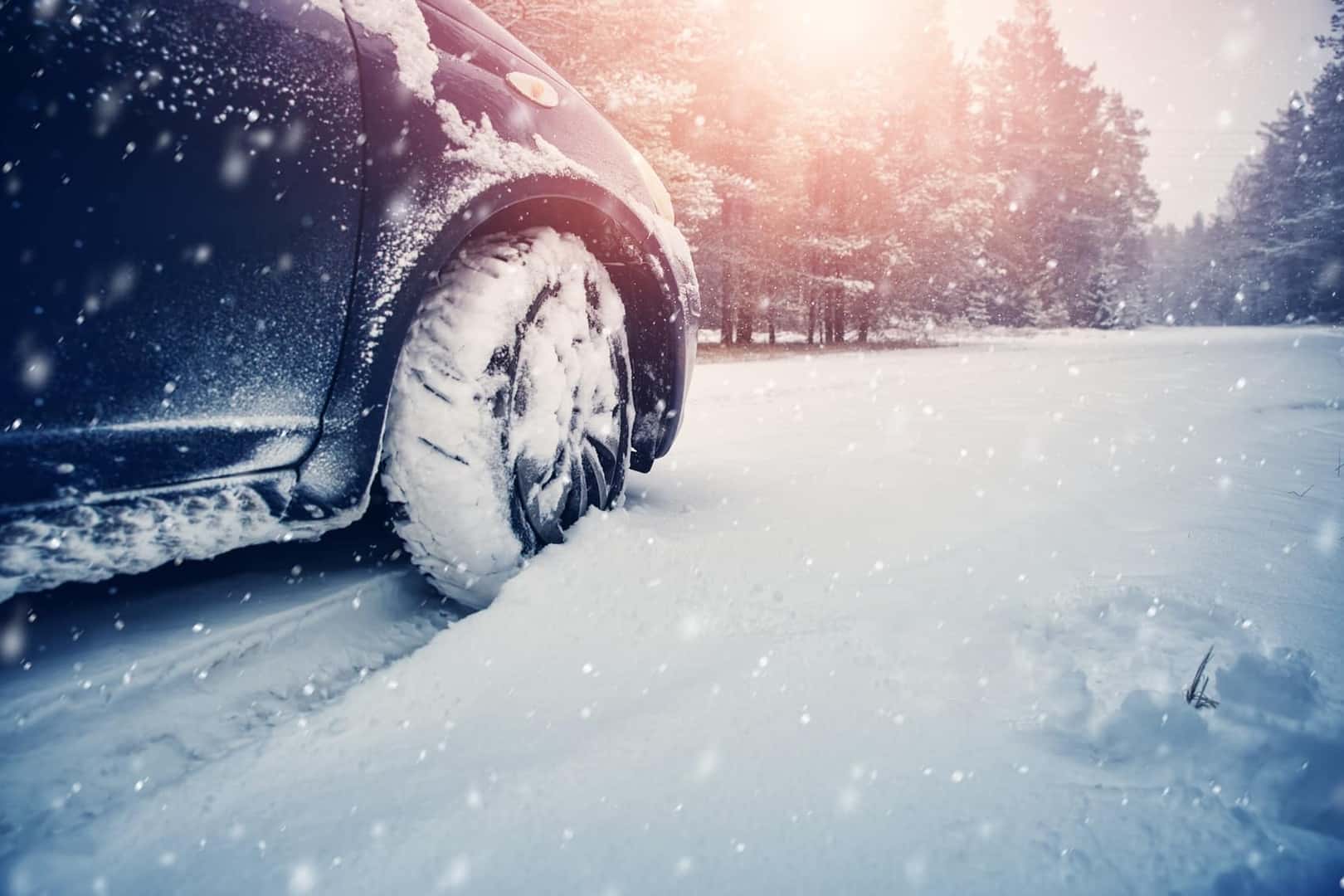
Being aware of your surroundings is essential when driving in inclement weather. Keep a safe distance between your vehicle and the one in front of you, as stopping distances can be much longer in slippery conditions.
It is important to know your route thoroughly and adjust to it. For example, you should be cautious on bridges and overpasses, as they tend to freeze over faster than regular road surfaces.
Stay one step ahead by anticipating conditions and adjusting your driving accordingly.
If your vehicle starts to slide in inclement weather, it's important to stay calm and react promptly. Sliding can occur both at the front and the back of the vehicle, and either instance has its own strategy to combat it.
If you experience understeer (front tires lose grip), gently ease off the gas pedal and steer in the direction you want to go. In the case of oversteer (rear tires lose grip), steer in the direction of the skid to regain control. For example, if your vehicle’s rear starts to go left, turn your wheel left to combat the drifting.
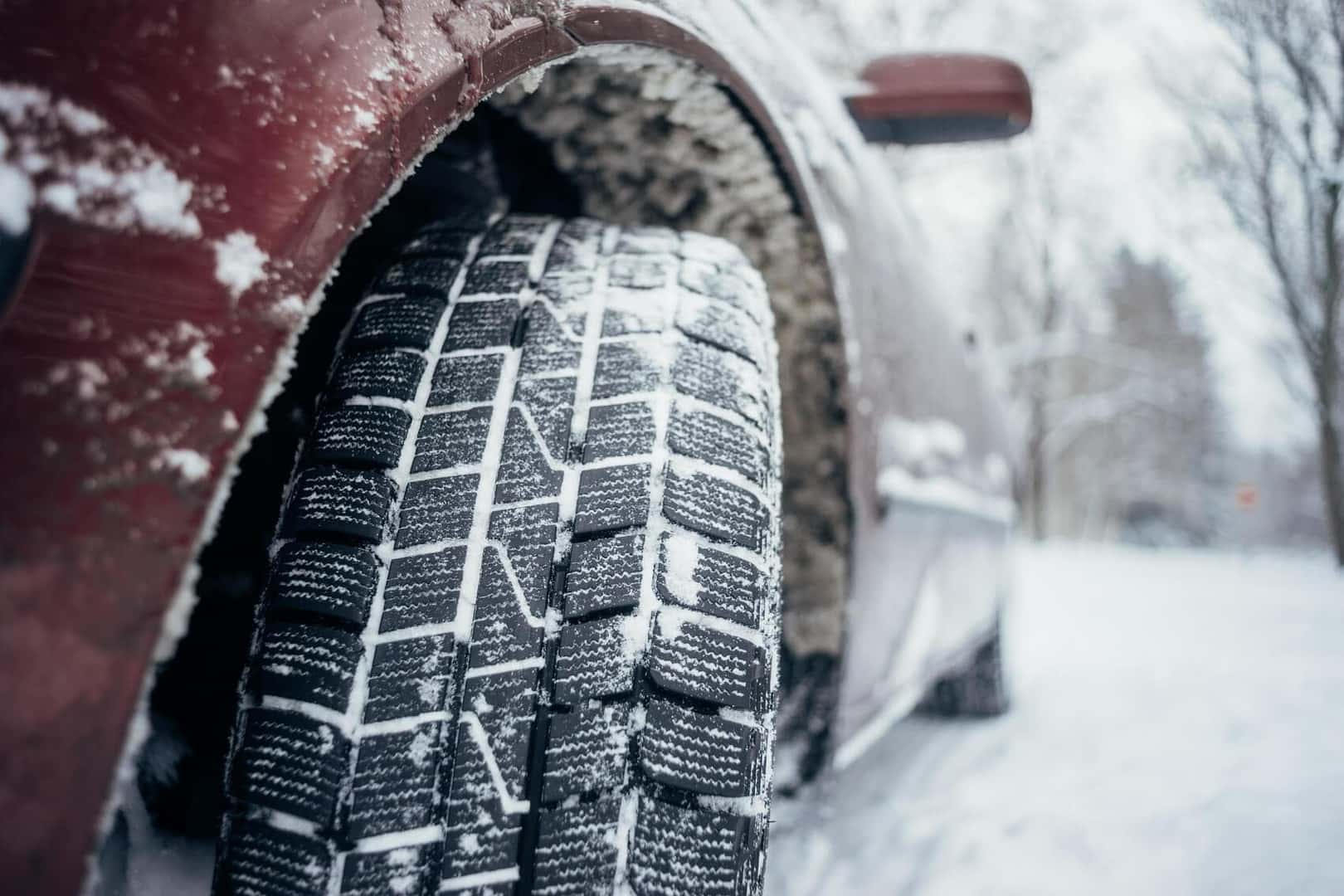
Having tires in good condition and proper alignment is crucial for optimal traction and stability in challenging driving conditions. Keep on top of your recommended tire rotations and realignments, to ensure good tread on your tires.
📞͟ ͟4͟1͟3͟-͟2͟1͟3͟-͟3͟6͟2͟3͟
Call Now32 Damon Rd • Northampton, MA 01060
Get Directions
Service: Closed

